
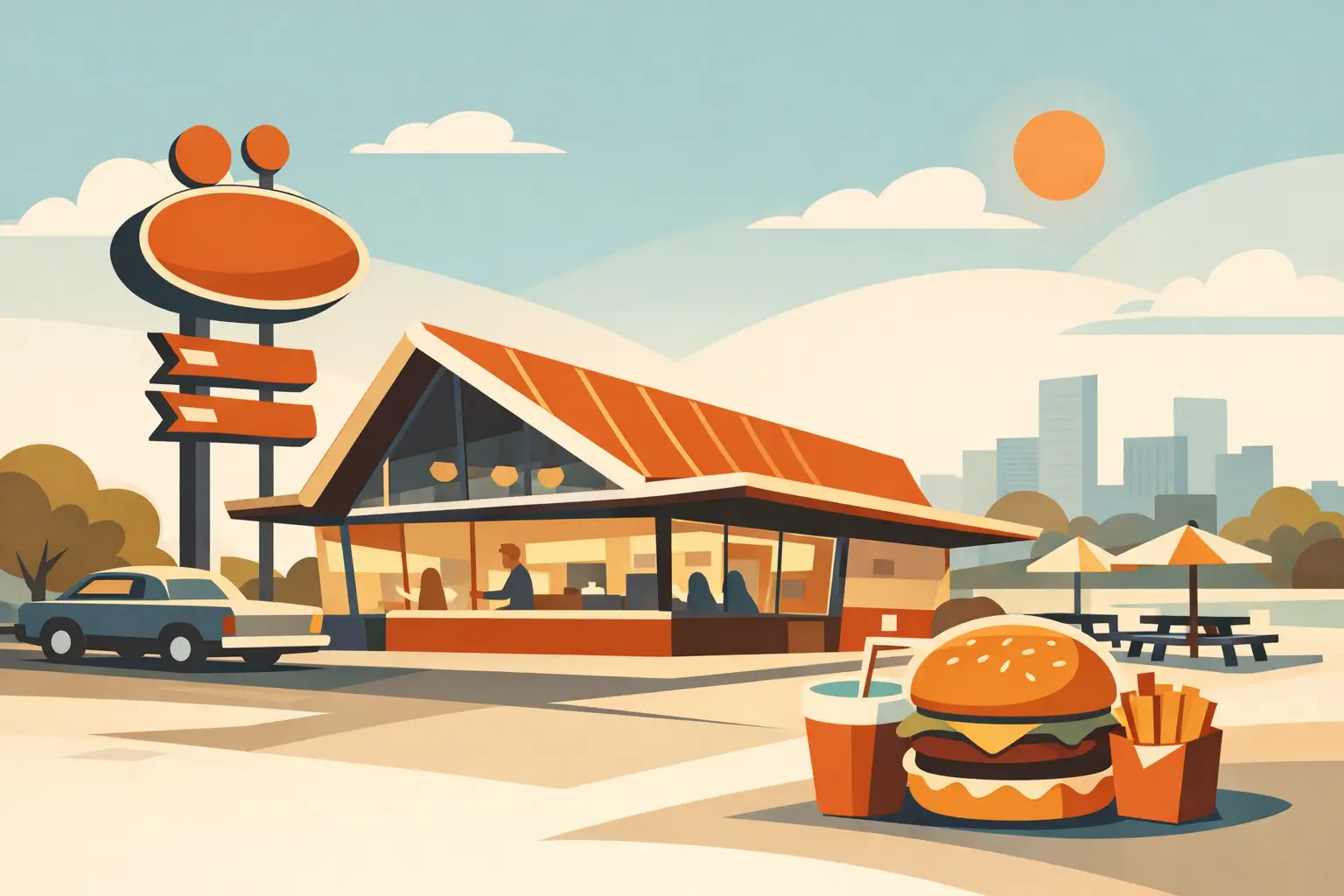
Step up to an original burger chef building and you can feel the difference before you ever sit down. The shape, the lines, the old-school presence out front – it carries a kind of memory that newer places simply cannot build from scratch. For folks who grew up around roadside diners and family lunch counters, that feeling is immediate. For younger visitors, it is something rarer: a chance to taste history in a place that still lives and works.
That is what makes a surviving Burger Chef building more than a piece of old restaurant real estate. It is a landmark of everyday American life. These buildings were part of a time when grabbing breakfast or lunch was not just about speed. It was about routine, community, and knowing exactly where you were headed when hunger hit.
What Makes an Original Burger Chef Building Special
An original burger chef building matters because it connects the meal on your table to a much bigger story. Burger Chef was once a major name in American fast food, and for many people it was part of childhood, road trips, and weekend meals with family. Most of those buildings are gone now, replaced, remodeled beyond recognition, or lost to time.
That is why the few that remain carry real weight. They remind people that local dining history is not only found in museums or old photographs. Sometimes it is still standing on a street corner, still welcoming regulars, and still serving food with the same dependable spirit that made diners and lunch spots part of Southern life in the first place.
The building itself does part of the talking. Its design cues, layout, and unmistakable vintage character tell you this is not a copy of something old. It is the real thing. That authenticity matters, especially in a time when plenty of restaurants try to manufacture nostalgia with new signs and staged retro decor. A genuine historic building does not have to pretend.
More Than Nostalgia
There is a temptation to treat an original burger chef building like a novelty, something folks visit once for the photo and then move on from. But that misses the point. A place like this earns its place by still being useful. It has to work as a real restaurant, for real people, on real weekday mornings and lunch breaks.
That is where history either becomes meaningful or turns into decoration. If the food is forgettable, the building becomes a backdrop. If the service lacks warmth, the story stops at the front door. The places that last are the ones that pair heritage with consistency. They make the past feel lived-in, not staged.
For local communities, that difference is huge. A preserved diner building is not only about remembering what used to be there. It is about keeping a part of town active, familiar, and rooted. It gives people a place to return to, whether they are coming in after church, stopping by before work, or bringing in family from out of town who want to see something with real character.
Why This Kind of Building Still Pulls People In
People are drawn to places with a story, but they come back for the feeling. Historic restaurant buildings have a way of making a meal feel personal. The walls seem to hold onto decades of conversations, routines, and small-town habits. That kind of atmosphere cannot be ordered out of a catalog.
In Cleveland, Tennessee, that feeling carries extra value. A downtown spot with deep roots does more than feed people. It becomes part of the town’s identity. It gives longtime locals something to point to with pride and gives visitors a reason to remember where they ate.
There is also something refreshing about a restaurant that knows exactly what it is. No chasing trends. No trying to reinvent itself every six months. Just a strong sense of place, honest food, and a building that has already proven it can stand the test of time. That confidence is part of the appeal.
The Original Burger Chef Building and Local Identity
When a historic restaurant building survives, it often becomes a kind of shared reference point. People measure time around it. They remember meeting there, eating there, driving past it, or hearing stories about it from parents and grandparents. The building becomes woven into daily life.
That is especially true in smaller cities and towns, where beloved local businesses still shape the rhythm of the day. A place with history does not have to shout to be memorable. Its reputation builds over years of early breakfasts, quick lunches, familiar faces, and meals served with love.
A surviving Burger Chef building also says something about stewardship. Keeping one going is not the easy route. Older buildings come with quirks, limitations, and upkeep that newer construction avoids. But those same quirks are often what people cherish. The trade-off is simple: modern spaces may offer convenience, but historic spaces offer identity.
For many diners, identity wins.
Why Heritage Tastes Better When It Is Still Working
There is a reason people talk about certain restaurants as if they are part of the family. It is not only the food, though that certainly matters. It is the complete experience – walking into a room that feels familiar, being greeted with warmth, and settling into a place that has welcomed generations.
When that experience happens inside an original burger chef building, the meal carries a little more weight. Breakfast feels tied to memory. Lunch feels tied to tradition. Even a quick stop during a busy day feels more grounded than a stop at a place that could be anywhere.
That does not mean every old building automatically creates magic. History helps, but only if the restaurant honors it. The best heritage diners understand this. They keep the spirit alive not by freezing everything in time, but by making sure the place still serves people well today.
That balance is where a true local institution separates itself. It respects the building’s past while staying dependable in the present. It lets guests enjoy the old character without sacrificing the simple things that matter most: good food, friendly service, and a reason to come back tomorrow.
A Rare Setting for a Southern Diner Experience
One of the reasons The Chef holds such a strong place in local memory is that it operates inside one of the last original Burger Chef buildings in the country. That is not just a fun fact. It is part of what gives the restaurant its legendary feel.
The building sets the stage, but the experience finishes the story. Here, history is paired with hearty breakfast and lunch, fresh biscuits, classic sandwiches, burgers, and the kind of Southern comfort food people actually crave. The signature Hot Slaw adds the regional character that makes the meal feel unmistakably local.
That pairing matters. A rare building gets attention, but real staying power comes from giving people a reason to return beyond the history lesson. In this case, the reason is simple: a familiar place, dependable meals, and a setting that feels like Cleveland through and through.
Preserving What Still Feels Real
An original burger chef building matters because so much of everyday America has been flattened, replaced, or forgotten. Historic places like this keep a piece of that story alive in a way people can actually experience. Not behind glass. Not in black-and-white photos. Right there in the middle of a working day.
And maybe that is the real value. It reminds us that history does not always arrive in grand form. Sometimes it looks like a neighborhood diner, a well-worn building, and a table where people have been gathering for years. When a place like that is still standing and still serving, it is worth noticing.
If you ever get the chance to eat in an old building with a true story behind it, take it. The meal may be quick, but the memory tends to stay a while.
Leave a Reply